Visual sequence
Getting dressed
The "Getting dressed" sequence has 5 pieces to put in the right order. It helps a child with autism understand what comes first and what comes next, at home or at school. Part of the Caju library.
Made with therapists and families.
The pieces, in order
5 pieces- 1
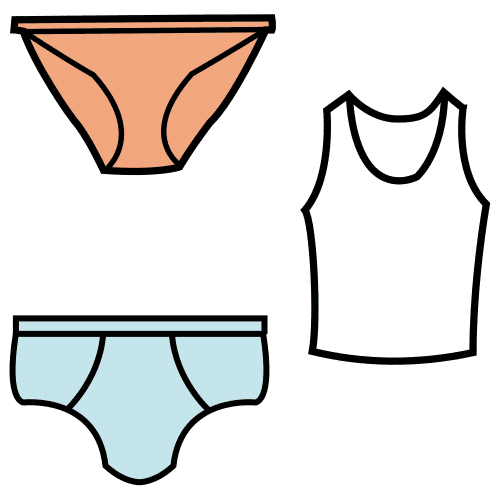 Put on your underwear
 - 2
 Put on your t-shirt
 - 3
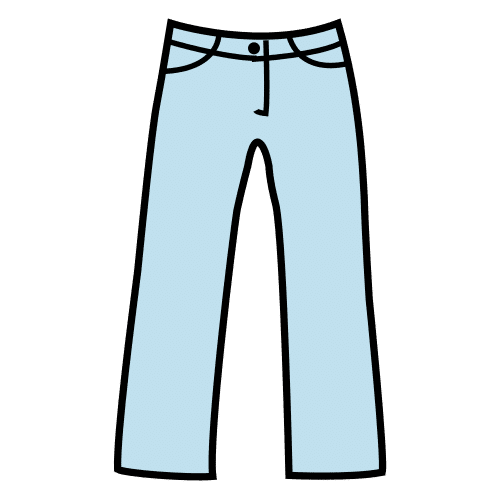 Put on your trousers
 - 4
 Put on your socks
 - 5
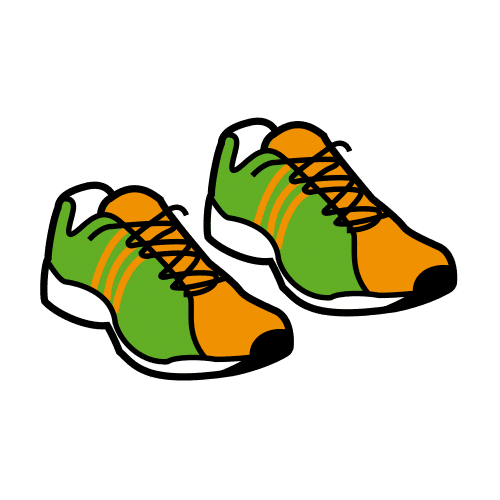 Put on your shoes
Use this sequence in Caju
Sign in to use this sequence with the child. Every plan starts with a free trial.
- Hear each piece named out loud
- Order the pieces on screen
- Customise the pieces
- Print as a PDF
Card required. Nothing is charged until the trial ends.
Print this sequence (PDF)
You can print this sequence as a PDF to cut out, so the child can put the pieces in order on paper. PDF export is available in Caju.
Print in CajuHow to use it day to day
- 1
Show the whole sequence before you start, so the child can see what comes first and what comes next.
- 2
Ask the child to place each piece in its spot, one at a time and at their own pace.
- 3
Repeat the sequence the same way every time: predictability builds confidence.
Related sequences
FAQ
What pieces does the Getting dressed sequence have?
Put on your underwear, Put on your t-shirt, Put on your trousers, Put on your socks, Put on your shoes.
What is a visual sequence?
It is a set of pictures, numbers or letters that a child puts in the right order, to practise what comes first and what comes next rather than relying on spoken instructions alone.
Who is this sequence for?
For families and professionals supporting children with autism. The adult sets it up and the child orders it, on their own or with light support.
Do I need to pay to use it?
Yes, after a free trial. Every account starts with a free trial (7 days for families, 14 for professionals, card required, nothing charged until it ends), which unlocks this sequence and everything else in Caju.